
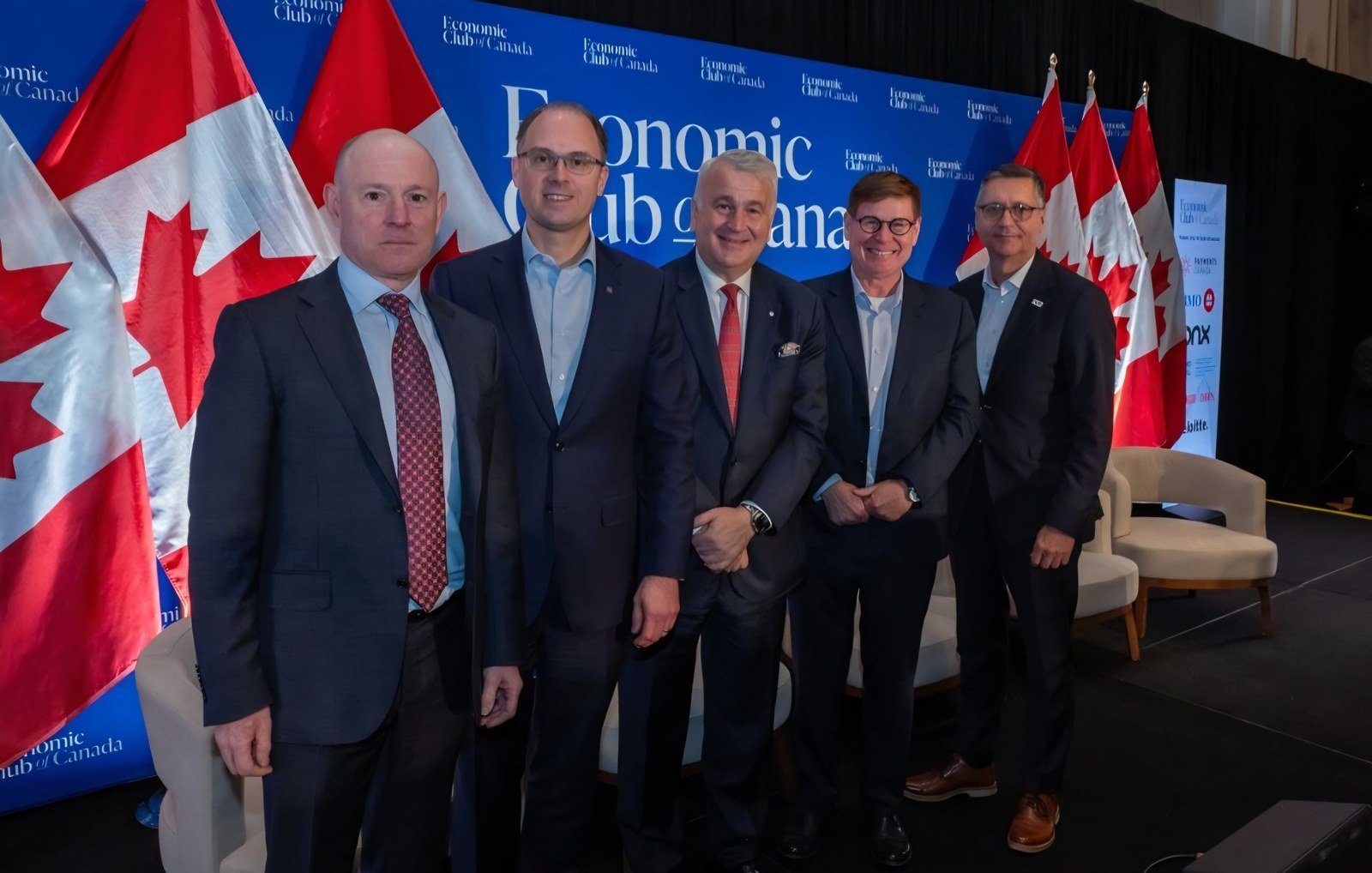
- Event
- Canada’s Insurance CEOs: Leading Through Risk, Resilience, and Change, hosted by the Economic Club of Canada
- Venue
- Fairmont Royal York, Toronto, Ontario
- Date
- Tuesday, October 20, 2026
- Panel
- Phil Witherington (Manulife), Denis Ricard (iA Financial Group), Kevin Strain (Sun Life) and David Harney (Great-West Lifeco and Canada Life), moderated by Nik Nanos (Nanos Research)
Key takeaways
- Manulife CEO Phil Witherington said an AI agent now reads customer emails and drafts replies, and a person checks every reply before it goes out.
- iA Financial Group CEO Denis Ricard said AI is already giving advice, but the winners will be the firms that give trusted advice, with people and technology together.
- Sun Life CEO Kevin Strain said nobody gets lifetime financial security in one purchase. It is built over years, with a plan.
- Great-West Lifeco and Canada Life CEO David Harney said Canada’s workplace retirement savings market is small next to Australia, the UK and the US, and that people still want human connection.
- Payments Canada said its new Real-Time Rail is weeks from launch, which could let insurers pay emergency claims in real time.
Watch: four takeaways in under a minute
Read the video transcript
This morning, I was in the room with the CEOs of four major Canadian life insurers. Here’s what stood out. Denis Ricard of iA said many Canadians are not protected enough. Nobody wakes up wanting to buy life insurance. So trusted advice still matters, even with AI. Kevin Strain of Sun Life said retirement used to mean about 15 years to fund. Now it can be 30 or more. Security is built over time, and the earlier you start, the easier it is. Phil Witherington of Manulife said too many of us keep too much cash in savings accounts. He said we should all review our plans and use the tax-friendly accounts Canada offers. David Harney of Great-West Lifeco said people who save through workplace plans tend to save more. My take? Living longer is good news. Just plan for it.
What are the big trends in global insurance?
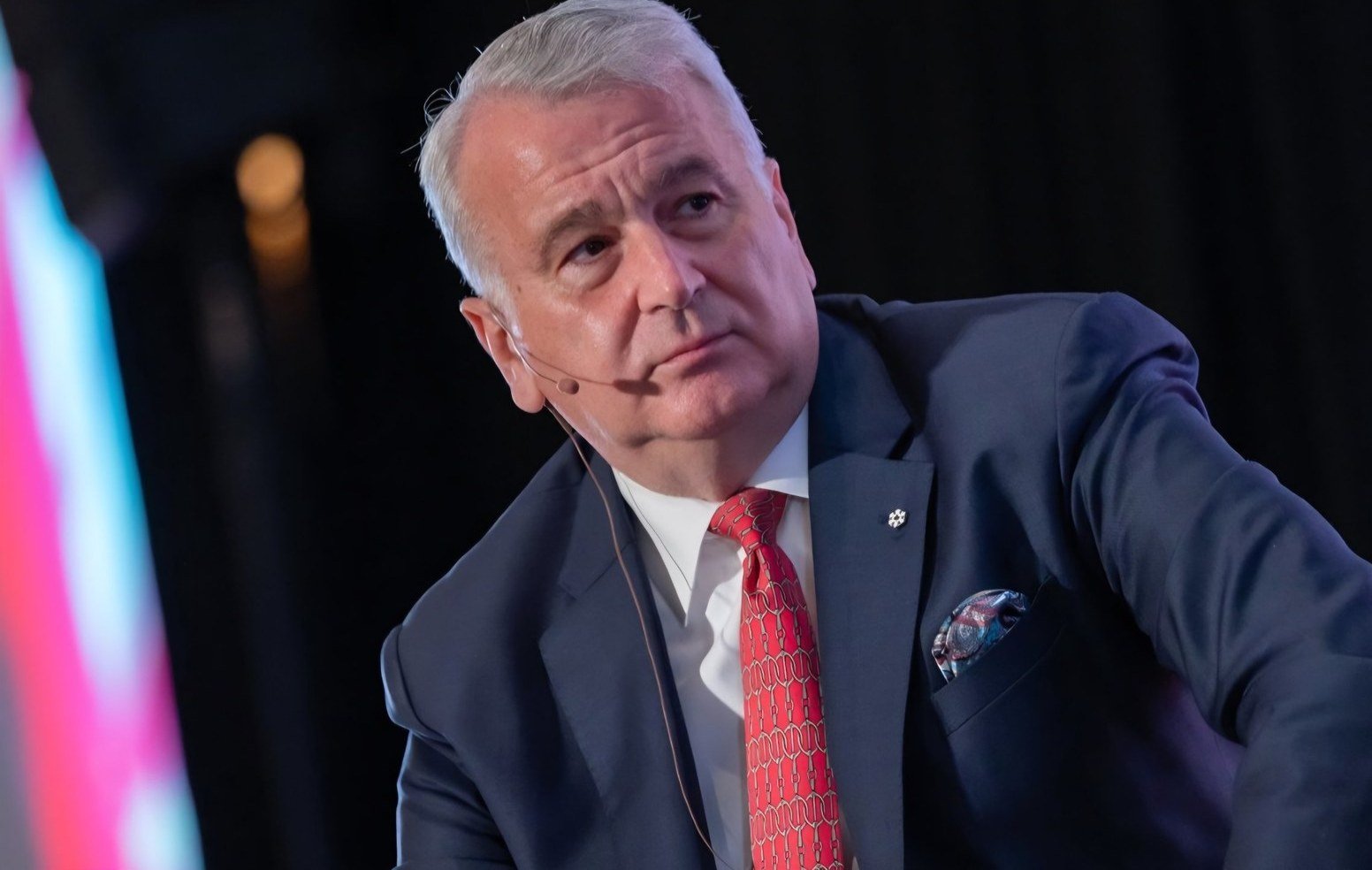
Nanos opened by asking Witherington what is changing around the world and how Canada stacks up. Witherington said Canada is about 15% of Manulife’s new insurance business, which gives the company a wide view of other markets.
He pointed to three forces. Customers are more international and want solutions that cross borders. Societies are aging. And technology is moving faster than ever. On aging, he said Canada is now a “super-aged society,” with about one in five Canadians aged 65 or older. He said Manulife will release new research on how ready Canadians are for a longer life, and that Canada scored 60 out of 100. “That’s not great,” he said, but there are simple things the industry can help with, from saving enough to getting early health checks.
Ricard added that technology helps shrink the protection gap, because it lets advisors reach more people. “There are people that are not protected enough,” he said. Strain said life insurers increasingly see themselves as asset managers again, which he called a return to their roots: “We were the original long-term asset managers.” Harney said the biggest trends are demographics and AI, and that the two can help each other.
Will AI replace insurance advice?
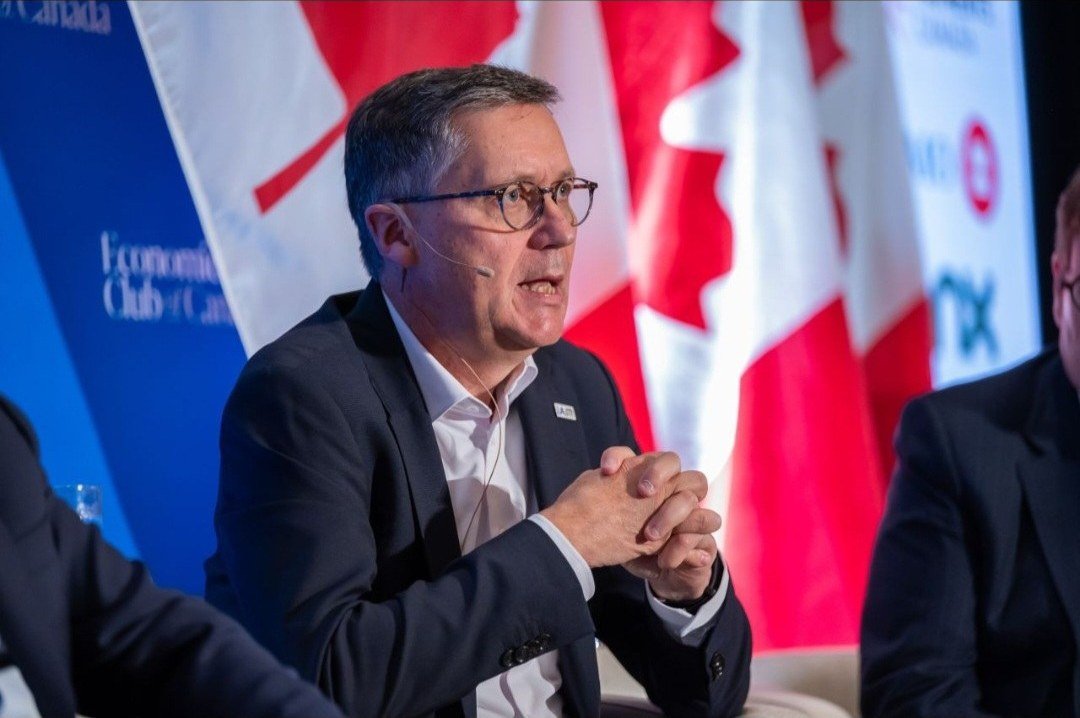
Ricard said AI will become table stakes in areas like underwriting and fraud detection. But he does not think the basics of the business will change. “AI is already giving advice,” he said. But “at the end of the day,” the winners will be “those who will provide trusted advice.” His view: people do not wake up wanting to buy life insurance, so they need to be educated about their needs, and the best advisors simply want more time in front of clients.
Strain agreed. “Nobody gets lifetime, end-to-end security in one purchase,” he said. It is built over years: life insurance one year, critical illness later, retirement savings along the way. He said AI can help advisors and employees have those conversations over a lifetime.
How is AI used inside an insurer today?
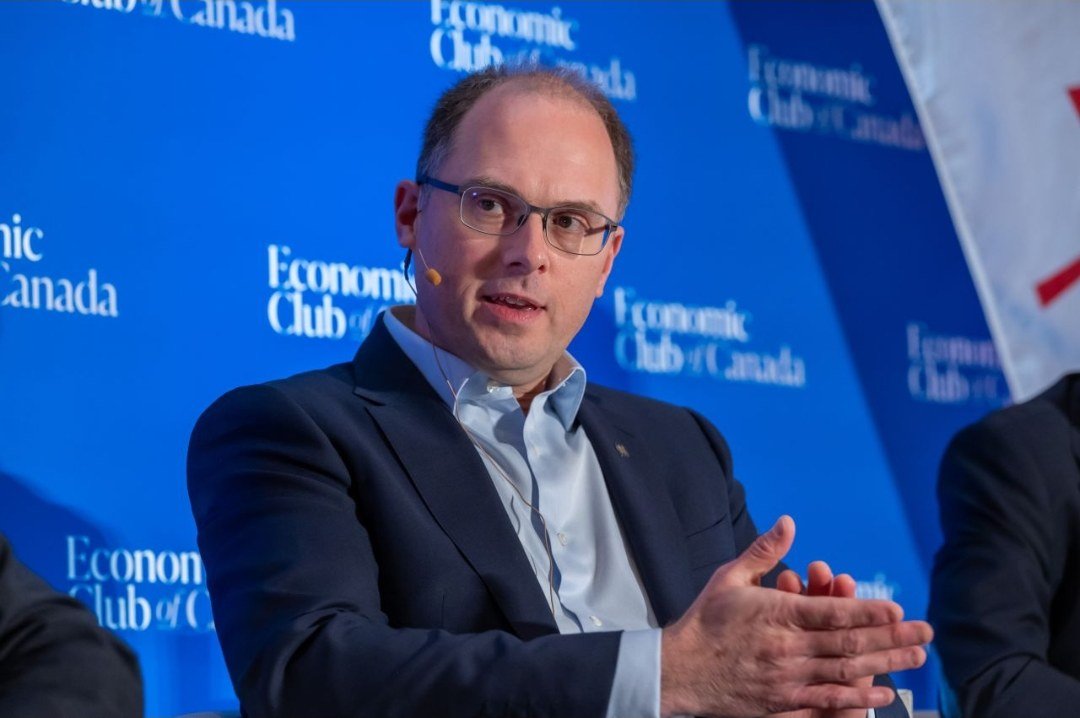
Witherington gave a concrete example. Manulife gets thousands of customer emails a day. An AI agent now sorts them, reads them, summarizes them and drafts a first reply. A person reviews the AI’s work before anything goes to the customer. He said the agent “doesn’t always get the right response,” which is why the human check matters, and that staff enjoy reviewing far more than doing the hard reading themselves.
He also said AI could cut underwriting from days or weeks to hours and minutes. Manulife has launched a company-wide AI platform for its colleagues, built to be secure and well governed. On value, he was direct: Manulife set a target of a billion dollars of AI value by 2027, and “I am more confident than ever that we will deliver that billion dollars by the end of 2027.” The target is on the public record (Insurance Business).
Harney said the next shift is AI that acts first. Instead of waiting for a question, an AI agent could prompt someone to raise their retirement savings. But even then, he said, “people still want human connection.”
Are Canadians saving enough for retirement?
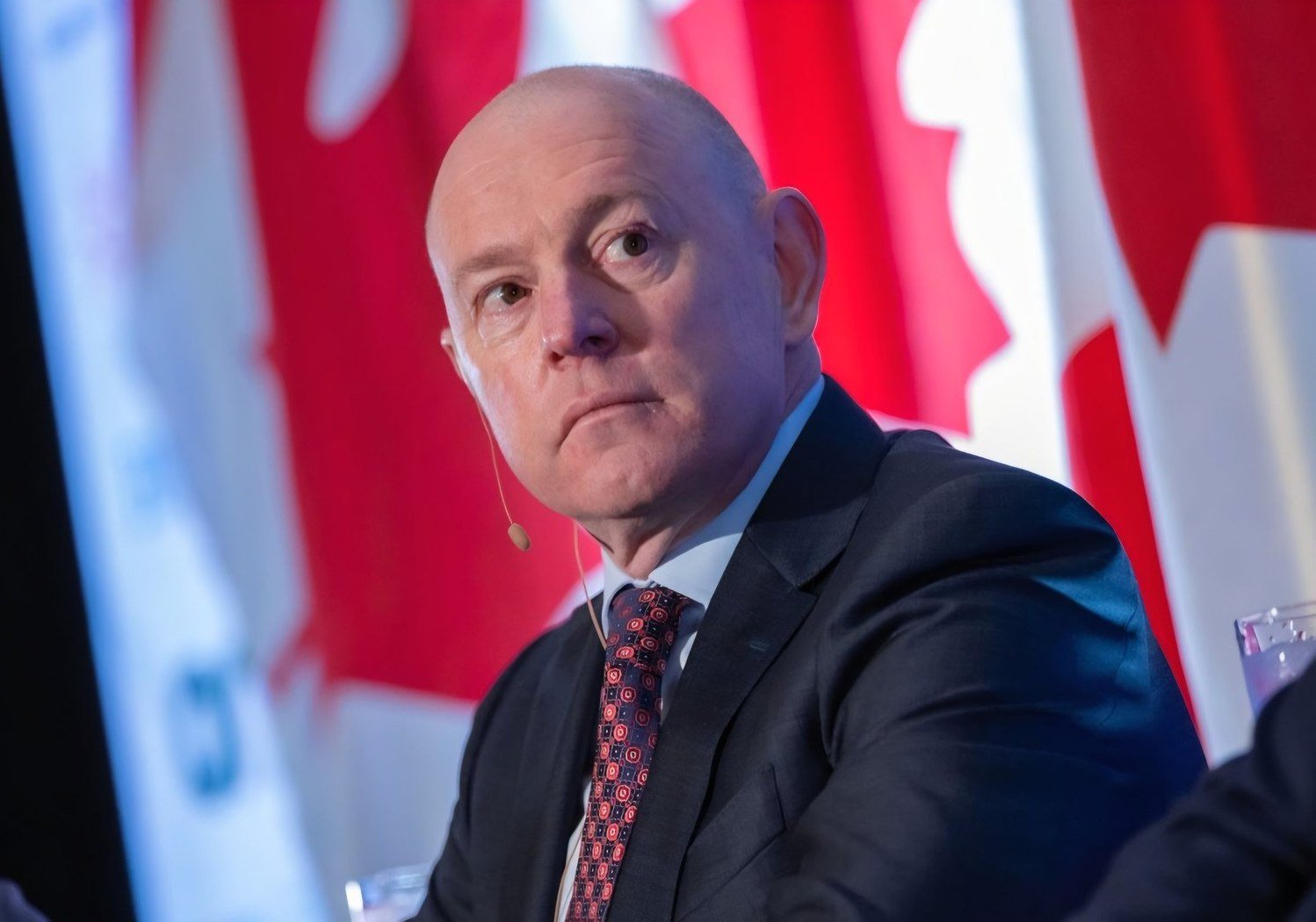
Harney, who moved to Canada last year, said the group benefits Canadian insurers provide are a real strength. What surprised him most was the size of the workplace retirement market. Adjusted for population, he said, Australia’s is about ten times bigger, the UK’s and Ireland’s about eight times, and the US about five times. When savings sit outside workplace plans, he said, people tend to save less and take the wrong level of investment risk.
Strain, who has worked in group retirement for 27 years, agreed there is room to grow. He noted people may now spend 30 years or more in retirement, so they need to save a lot more. Witherington added that Canadians manage their health well but hold too much cash, and should use the tax-free and tax-deferred plans already available.
What policy changes did the CEOs ask for?
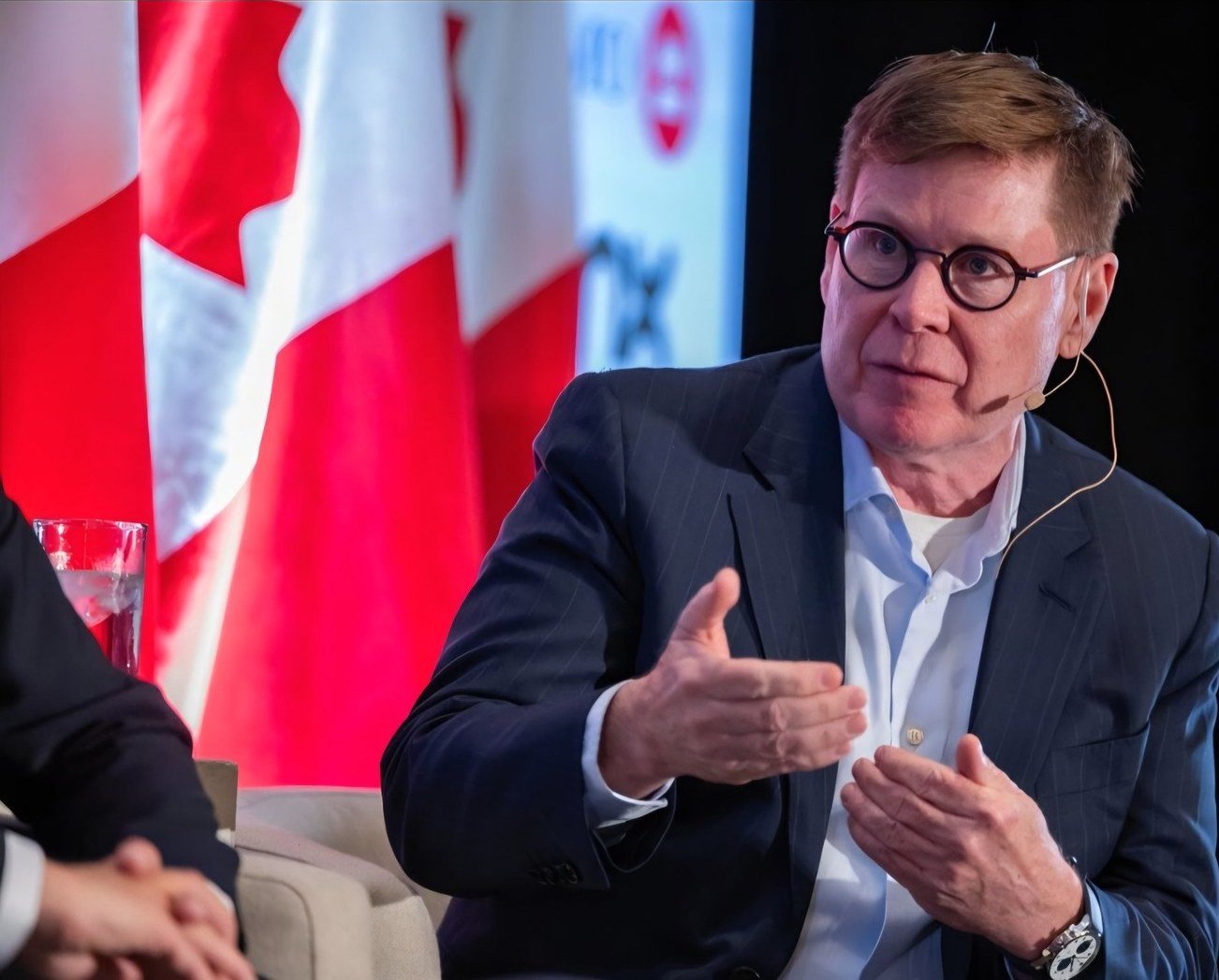
Strain said insurers are long-term investors and a natural fit for infrastructure. Sun Life has committed $5 billion over five years to Canadian infrastructure (Sun Life). He said parts of the Insurance Companies Act were written before insurers were major asset managers and need updating so insurers can invest more in projects that help the economy.
Ricard said Canada needs immigration at the right level, done in an orderly way, because long-term growth depends on population. Witherington said a smaller country has to look outward, and policy should encourage Canadian companies to compete globally. Harney agreed that immigration managed well is vital.
What leadership lessons did they share?
In a quick final round, Witherington said the biggest lesson of his time as CEO is making space for big, creative thinking, then knowing when to switch to focused execution, all under one simple ambition. Ricard spoke about building a learning organization, and admitted it took him longer than he wanted. Harney said it always comes back to the customer, then giving good people the tools and getting out of their way. Strain said great people and a winning culture make things work: “our job is to make sure that we get the right people into the right roles.”
What did Payments Canada and BMO add?
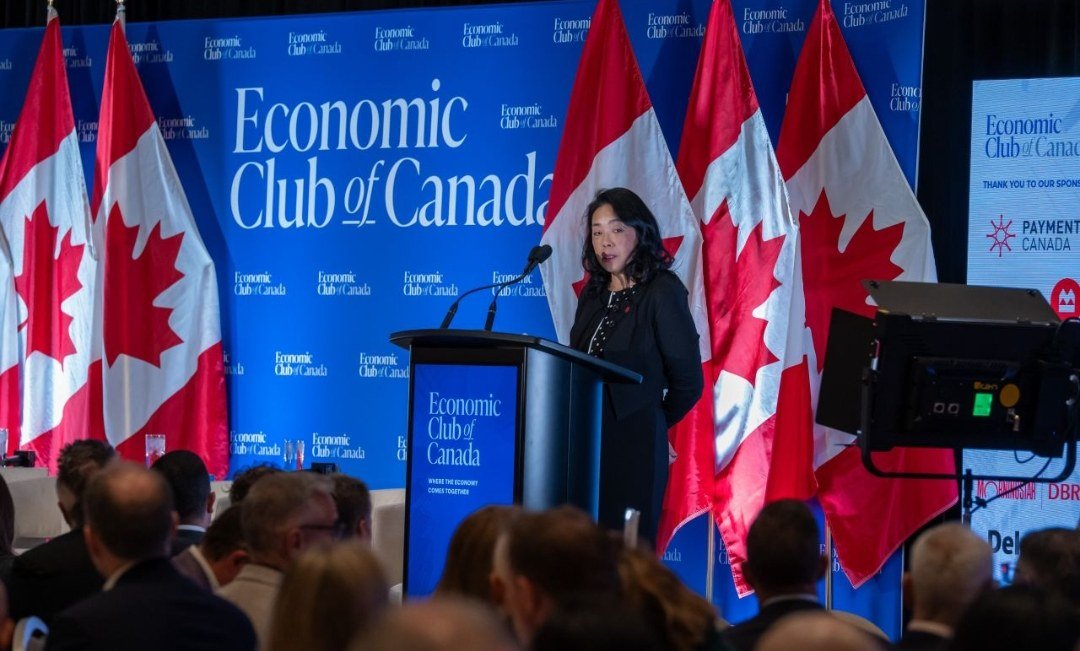
Opening the morning, Stephanie Zee, Chief Product Officer at Payments Canada, said Canada’s Real-Time Rail is weeks from launch. Payments will clear and settle in real time, 24 hours a day, every day of the year, with fraud protections built in from day one. For insurers, she said, that could mean a family or small business receives emergency claim money right away, without waiting for a transfer or cheque to clear.
Closing the event, Rohit Thomas, President and CEO of BMO Insurance, said demographics, technology and changing customers are reshaping the industry. “Insurance has never been more important,” he said, and the job ahead is making it simpler, more accessible and more relevant to Canadians.
Why it matters for insurers
The CEOs did not describe AI replacing people. They described AI doing the heavy work, with a person checking the result and owning the relationship. That is a design choice, and it has to be written down, not left to chance.
ZERO LEGACY, from Zero Legacy Press, makes the same case: decide in advance what the machine may do and who signs off. As the book puts it, “The guideline is the governance.” Read about the book
Who spoke
- Phil Witherington, President and CEO, Manulife
- Denis Ricard, President and CEO, iA Financial Group
- Kevin Strain, President and CEO, Sun Life
- David Harney, President and CEO, Great-West Lifeco and Canada Life
- Nik Nanos, Chief Data Scientist and Founder, Nanos Research (moderator)
- Stephanie Zee, Chief Product Officer, Payments Canada (opening remarks)
- Rohit Thomas, President and CEO, BMO Insurance (closing remarks)